





As someone who spends their days knee-deep in Android beta builds, APK teardowns, and endless update logs, I’ve got a lot to unpack for you this week. From a surprisingly restrictive Android 17 Beta 2 update to a frustrating UI regression in the stable March 2026 drop, here’s everything happening in the Google Pixel ecosystem right now.
Pixel Camera 10.3 brings a quiet rebrand and curious device restrictions
Google is rolling out its second Pixel Camera update of 2026. While version 10.3 is mostly an under-the-hood maintenance release, you’ll immediately notice a subtle name change. For the Pixel 10 Pro and Pro XL, the ambitious “Pro Res Zoom” has been simplified to just “Pro Zoom.” You’ll see this reflected across the Settings, Processing prompts, and even the official Pixel 10 Pro product listings.
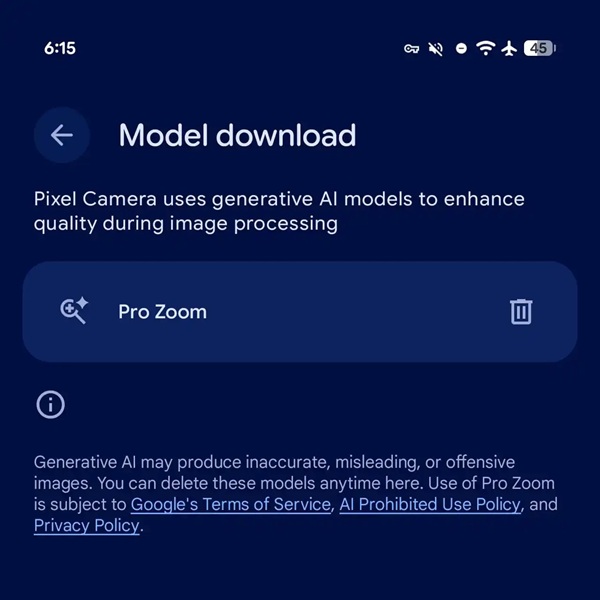
The update, which first hit the Pixel 10a, also tweaks the Connected Cameras feature. You can still use external devices via USB, but there are some bizarre restrictions based on your hardware:
- Pixel 6 through Pixel 9 (excluding A-series): Can connect to other Pixel phones, GoPro cameras, and USB cameras.
- Pixel 10 and newer A-series (6a+): Restricted to only GoPro and USB cameras.
Android 17 Beta 2 is locking down the Accessibility API
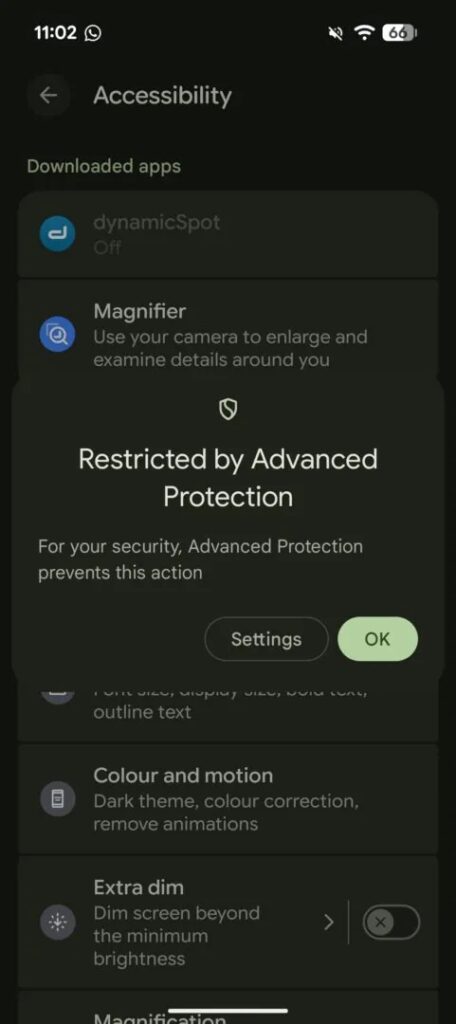
If you’re testing Android 17 Beta 2 and rely on Advanced Protection Mode, prepare for some of your favorite customization apps to break.
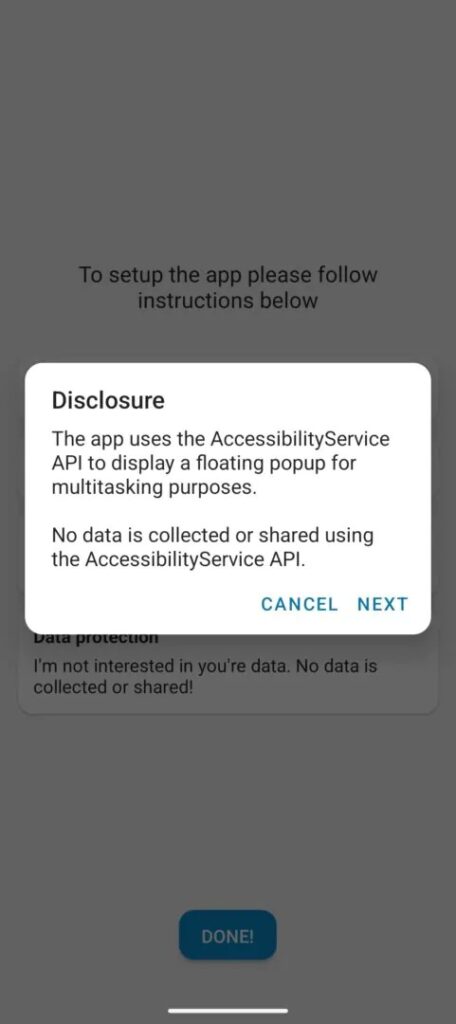
I’ve been tracking Google’s efforts to tighten security loopholes, and this beta makes it official: Advanced Protection Mode now actively blocks apps from using the AccessibilityService API unless they are genuine accessibility tools (like screen readers).
In testing on a Pixel 9a, Android Authority found that popular tools like dynamicSpot flat-out refuse to work with Advanced Protection enabled. You can no longer grant them the necessary permissions to draw floating pop-ups. It forces a tough but necessary choice: lock down your system against malicious apps, or turn off Advanced Protection to keep your automation and launcher utilities functioning.
The March 2026 update just nuked a favorite Recents shortcuts
If you just installed the Android 16 QPR3 update (the March 2026 Pixel drop) and feel like something is missing from the Recent apps screen, you aren’t crazy. Google quietly gutted one of Android’s best hidden productivity tricks.
Previously, when you selected an image in the Recents screen, you got a neat row of options to save it, share it, or instantly search it with Google Lens. Now, that list has been slashed to just Copy, Share, and Edit.
If you want to save a grabbed image, you have to dig into the share sheet, find “Upload to Photos,” and wait for it to process. Alternatively, you can use Circle to Search as a clumsy replacement for the old one-tap Lens button. It’s a frustrating downgrade to a feature many used daily to bypass taking unnecessary screenshots.
The Pixel hardware debate continues to divide us
Android Authority recently ran a poll asking about your satisfaction with current Pixel hardware, and looking at the roughly 10,000 votes, the community is split right down the middle. While many of you love the iconic design and clean software, a significant portion of readers want Google to focus on what’s under the hood (specifically Tensor performance, battery life, and modems).
Here is a quick breakdown of where you all stand:
| Reader Sentiment | Percentage | Primary Focus |
| Satisfied (Overall) | ~40% | Attractive, functional, premium design. |
| Needs Internal Upgrades | ~36% | Better processors, modems, and efficiency. |
| Too Thick/Heavy | ~11% | Dislike the added bulk in recent generations. |
| Love the Camera Bar | ~8% | Specifically praise the iconic external design. |
A new 3-in-1 Wasserstein charging dock hits the Google Store
Finally, if you’re rocking the new Pixel Watch 4 alongside your Pixel 10 and Buds, there’s a new charging solution officially listed on the Google Store.
The Wasserstein 3-in-1 Charging Station retails for $70 and handles your phone, earbuds, and smartwatch all at once. Keep in mind, though, that this dock is entirely wired. Despite the Pixel 10 supporting Qi2 wireless standards, this station relies on physical USB-C connections for your phone and earbuds, pushing 36W speeds. It’s practical, but you might want to cross-shop on Amazon, where it regularly lists for about $10 cheaper.


Hillary Keverenge
2577 Posts
Tech has been my playground for over a decade. While the Android journey began early, it truly took flight with the revolutionary Lollipop update. Since then, it's been a parade of Android devices (with a sprinkle of iOS), culminating in a mostly happy marriage with Google's smart home ecosystem. Expect insightful articles and explorations of the ever-evolving world of Android and Google products coupled with occasional rants on the Nest smart home ecosystem.